The Short Answer
Most restaurants need the whole exhaust system looked at, and cleaned, every 6 months. Kitchens that charbroil, cook in woks or run around the clock are on a 3 month schedule. Kitchens that burn wood or charcoal are on a monthly one. Kitchens that only cook now and then, like a church hall, can go a year.
That schedule is not ours. It comes from NFPA 96, the national standard for commercial kitchen ventilation, and from the fire code your local fire department enforces.
The NFPA 96 Schedule by Cooking Type
NFPA 96 sorts kitchens into 4 groups by what they cook and how much. This is its inspection table, in plain words.
| Type of cooking | How often | Typical kitchens |
|---|---|---|
| Solid fuel | Every month | Wood-fired pizza ovens, smokers, charcoal grills |
| High volume | Every 3 months | 24-hour cooking, charbroiling, wok cooking |
| Moderate volume | Every 6 months | Most sit-down restaurants, cafes and pizza shops with gas ovens |
| Low volume | Once a year | Churches, day camps, seasonal businesses |
Source: NFPA 96, Standard for Ventilation Control and Fire Protection of Commercial Cooking Operations, Table 12.4 in recent editions. The examples in the high volume and low volume rows come from NFPA 96.
Is That an Inspection Schedule or a Cleaning Schedule?
Strictly, it is an inspection schedule. NFPA 96 says the whole exhaust system has to be inspected for grease buildup at those intervals. The International Fire Code says the same thing and then adds the next step: if the inspection finds grease in the hood, filters, fan or ducts, those parts have to be cleaned.
A kitchen that cooks every day will have grease in the system when its interval comes around. So plan on a cleaning at each interval, and treat a longer gap as something your fire department has to agree to, not something to assume.
Which Group Is Your Kitchen In?
Go by the heaviest cooking under the hood, not by the size of the dining room.
- You burn wood or charcoal. Wood-fired ovens, smokers and charcoal grills are solid fuel. That is the monthly group, even if the rest of the line is gas.
- You charbroil, cook in woks or never close. NFPA 96 names these three as high volume. Burger and steak grills, wok lines and 24-hour kitchens are on the 3 month schedule.
- You run a normal restaurant line. Fryers, flat tops, ranges and gas ovens with regular hours are moderate volume: every 6 months.
- You cook now and then. Churches, day camps and seasonal kitchens are low volume: once a year.
If you have two hoods doing different jobs, each system follows its own cooking. A charbroiler hood can be on 3 months while the hood over the ovens stays on 6.
Who Has the Final Say?
Your local fire department. The fire code table ends with the words “or as approved by the fire code official,” which means the inspector can set a different interval for your kitchen. In Denver that is the Denver Fire Department. In Aurora it is Aurora Fire Rescue, and in Boulder it is Boulder Fire-Rescue.
Denver, Aurora and Boulder each adopt the International Fire Code with their own local amendments. The fire code’s table uses the same four intervals as NFPA 96: 1 month for solid fuel, 3 months for high volume, 12 months for low volume and 6 months for everything else.
What to Do Between Cleanings
The filters are the one part of the system your own staff can keep up with. The fire code requires grease filters to be in place any time you cook under the hood, so never run the line with a filter missing.
- Wash the baffle filters between professional cleanings. We also degrease and wash them at every visit. See hood filter cleaning.
- Look at the date on the service sticker on your hood. If it is older than your interval, you are due.
- Call sooner if grease is dripping from the filters or the hood seams, or if you can see grease on the roof around the fan.
Want to see where the grease goes after it leaves the hood? How a hood system works walks through all 6 parts.
Common Questions
We added a charbroiler. Does our schedule change?
Yes. The schedule follows the cooking. Charbroiling is one of the three examples NFPA 96 gives for high volume, so a hood that was on 6 months moves to 3. Tell your hood cleaner when the line changes.
Our wood-fired oven is the only solid fuel in the kitchen. Is the whole kitchen monthly?
The system that serves the solid fuel appliance is monthly. A separate hood and duct serving gas equipment follows its own cooking type.
What proof of cleaning do I need to keep?
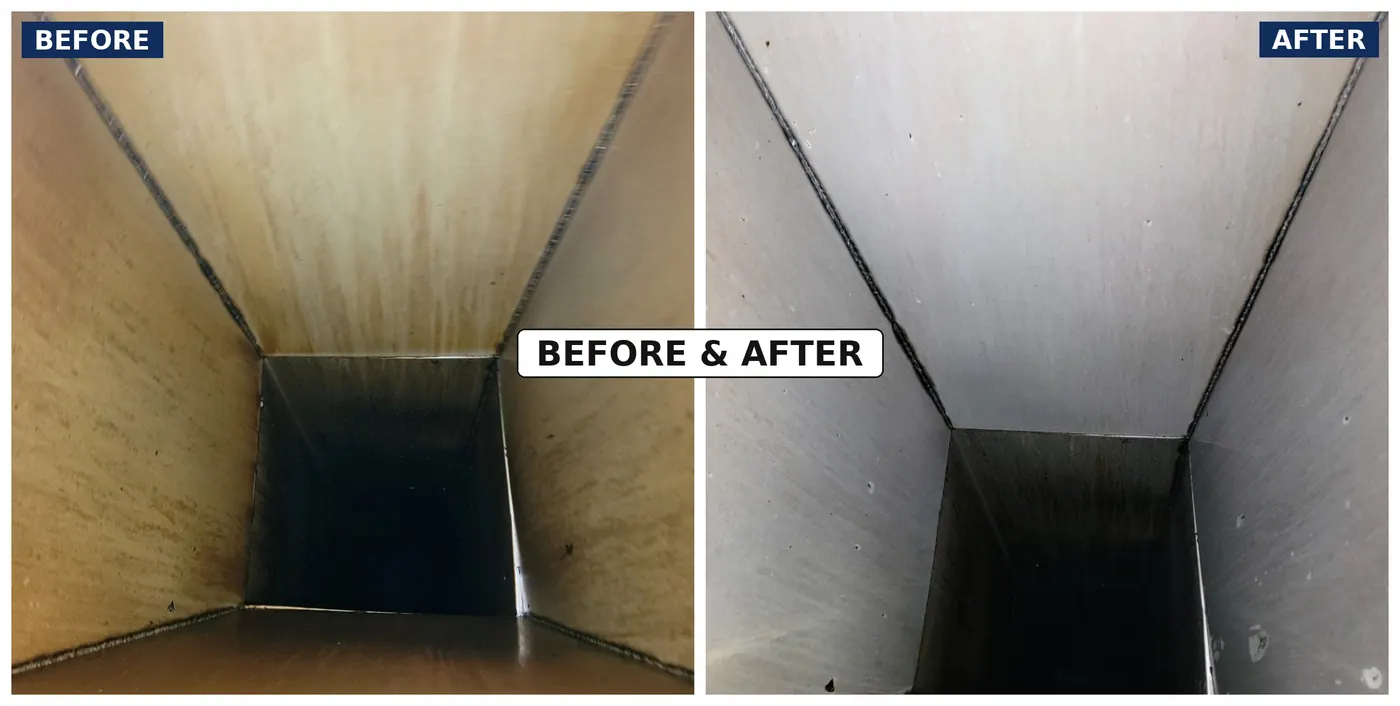
The fire code calls for a tag on the hood showing the service company’s name, address, phone number and the date of service, and for records of each inspection and cleaning. A-1 leaves a dated service sticker on the hood and sends before and after photos of the hood, ducts and fan.
We are only open in summer. How often do we need cleaning?
NFPA 96 lists seasonal businesses as low volume, which is once a year. A good time is right before you open or right after you close for the season. For resort towns, see hood cleaning in the mountain towns.
Sources
- NFPA 96, Standard for Ventilation Control and Fire Protection of Commercial Cooking Operations, Table 12.4 (inspection schedule), as reproduced in the California Mechanical Code, Table 514.3.
- International Fire Code, Commercial Kitchen Hoods: inspection table, cleaning, records, tags and grease filters. Section text published by the Lawrence, Kansas fire department.
- City and County of Denver, Building and Fire Codes (2025 Denver Fire Code, based on the 2024 International Codes).
- Aurora Fire Rescue, Inspection Schedule (2021 International Fire Code with amendments, routine inspections).
- City of Boulder, Building Codes and Regulations (2024 International Codes with local amendments).
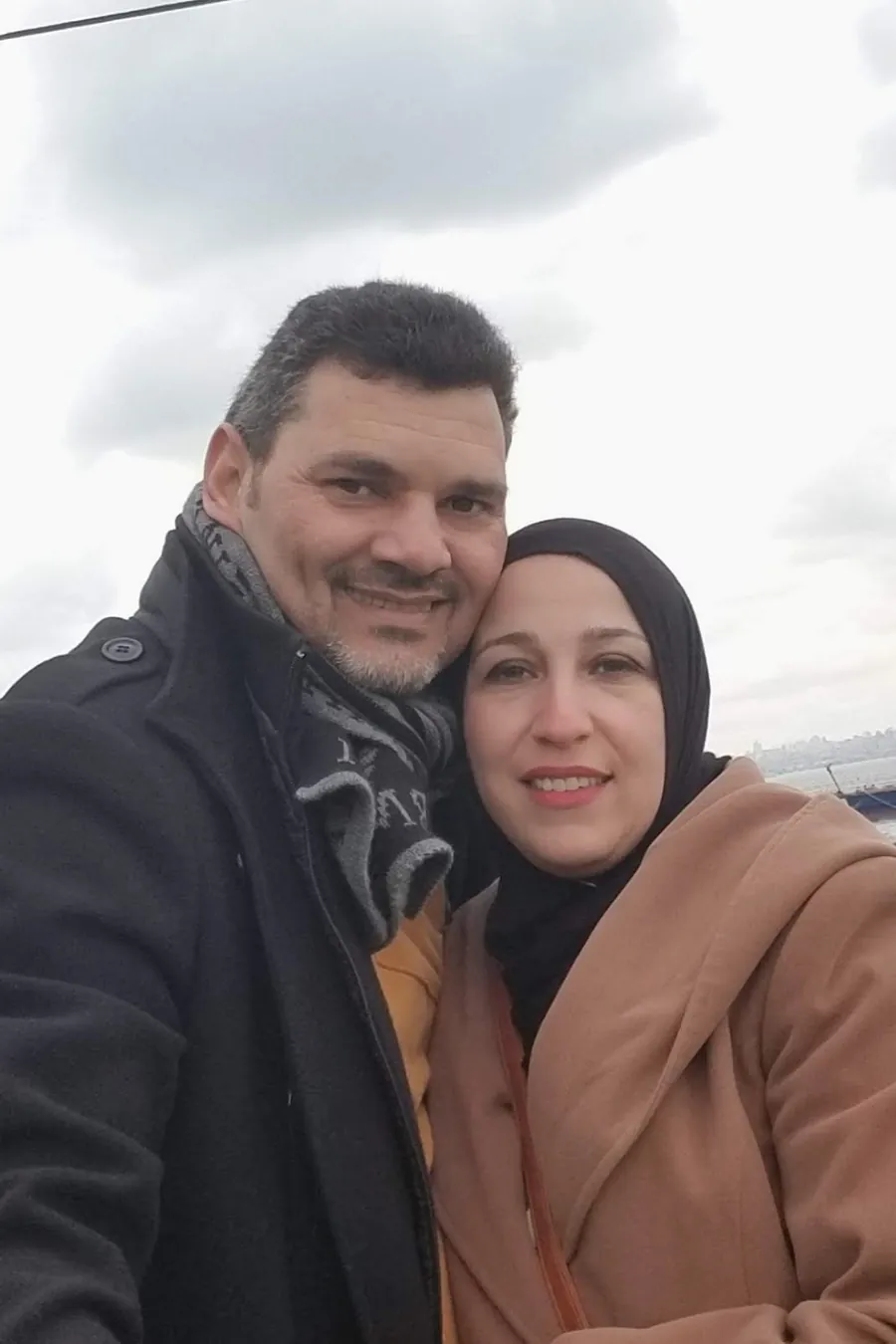
About the author. Yasser started A-1 Hood Cleaning in 2011. A-1 is family owned and operated, based in Denver, and cleans commercial kitchen exhaust systems across Colorado to NFPA 96 standards. Read our story