Why the Choice Matters
You cannot see inside your duct or your rooftop fan from the kitchen. That is where the grease that feeds a duct fire sits, and it is the part a careless company skips. The fire code calls for the hood, the filters, the fan and the ducts to be cleaned, not just the canopy over the line.
So the real question when you hire a hood cleaner is simple: how will I know the whole system got cleaned? These 10 questions get you that answer before you sign anything.
10 Questions to Ask
- Do you clean the whole system, from the hood to the rooftop fan? You want a yes that names the parts: hood, filters, plenum, every reachable part of the duct, and the fan on the roof.
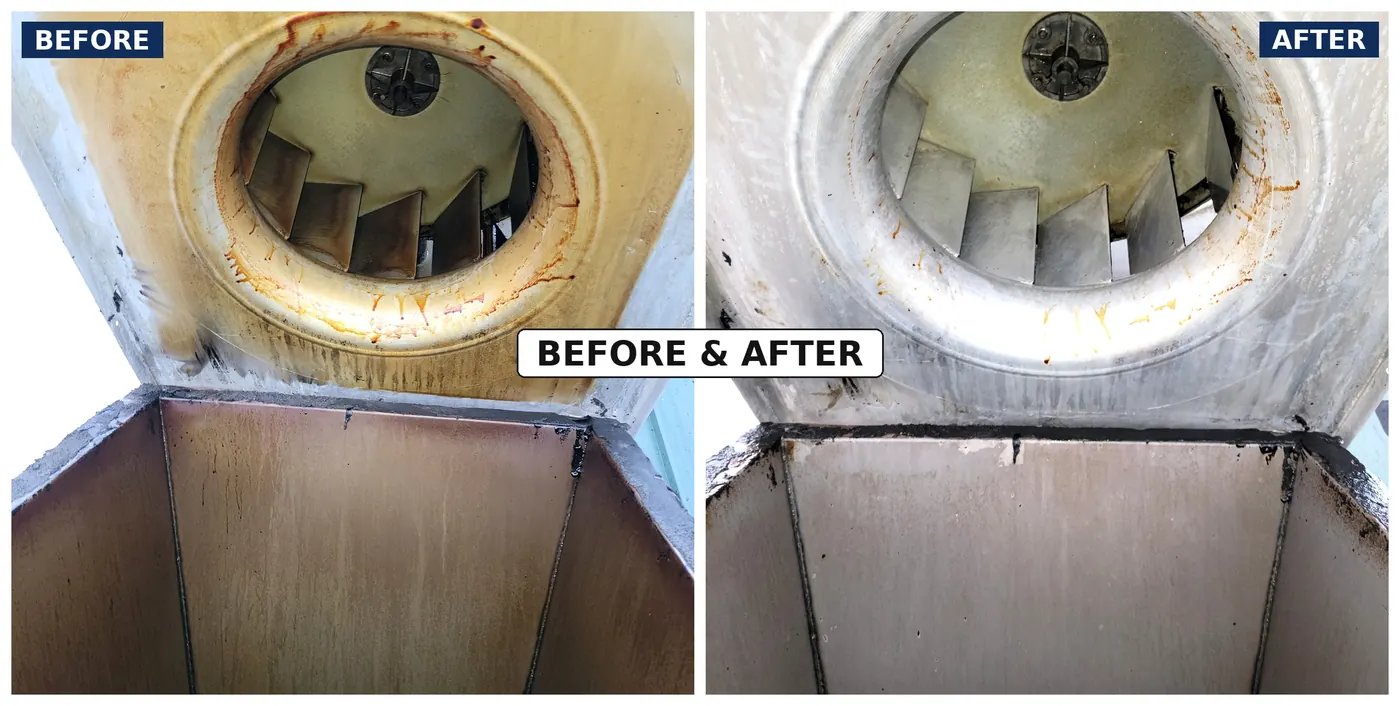
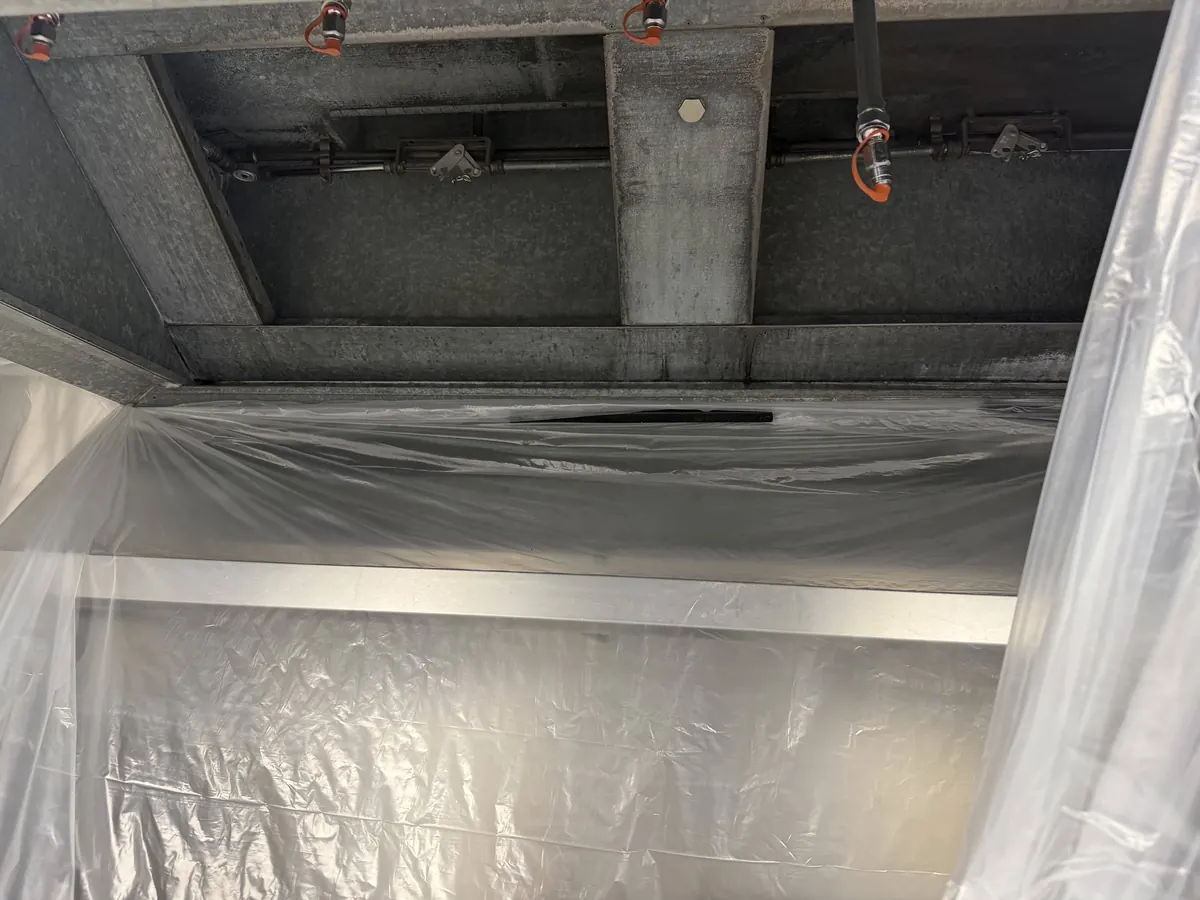
- Will I get before and after photos of the duct and the fan? Photos of a shiny hood prove nothing. Ask for photos of the places you cannot see.
- What goes on the service tag? The fire code calls for the company’s name, address, phone number and the date of service, posted where the inspector can see it.
- Which standard do you clean to? The answer should be NFPA 96, the national standard for commercial kitchen exhaust.
- Can you send a certificate of insurance? Ask for general liability, workers’ compensation and commercial auto. Your landlord may want the certificate too.
- How do you reach the duct between the hood and the fan? Long or sideways duct runs need access panels. Ask them to tell you in writing about any section they could not reach.
- Who does the work? Find out whether the people on your roof are the company’s own crew or a subcontractor you have never spoken to.
- When do you work, and how do you protect the kitchen? Cleaning should happen after close. Equipment should be covered, and the water and grease contained and taken away.
- Do you file the report with the fire department? Some Colorado fire departments, Aurora and Thornton among them, take service reports only through an online system. The service company has to be registered to file.
- How did you pick my schedule and my price? The schedule should come from what you cook, using the NFPA 96 table. The price should be written down before the work starts.
Red Flags
- A price far below every other quote. It usually means the hood gets polished and the duct and fan are left alone. See what hood cleaning typically costs in Denver.
- No photos of the duct or the fan. If they will not show you, assume it was not done.
- They never ask how to get on the roof. The fan is on the roof. A crew that does not need roof access is not cleaning it.
- A tag with no date, or no tag at all. The dated tag is the first thing a fire inspector reads.
- A company that says NFPA certified it. NFPA writes the standard. It does not certify or inspect anyone’s work for compliance, so no cleaning company holds a certificate from NFPA. The honest wording is “cleaned to NFPA 96 standards.”
- A schedule that does not match your cooking. A sandwich shop does not need monthly cleaning, and a charbroil kitchen cannot go a year. Check any schedule against the NFPA 96 table.
- No certificate of insurance. People will be on your roof and working with hot water in your kitchen at night. You need to see the coverage.
How to Check the Work After the First Cleaning
- Look for the new dated sticker on the hood.
- Open the photo report and find the duct and fan photos. Bare metal is what you are looking for.
- Pull one filter and look up into the plenum behind it with a flashlight.
- If you can get on the roof safely, look at the fan and the roof around it.
- Walk the line. It should be ready to cook, with no water or grease left on the equipment or the floor.
Before your next fire inspection, run through what the inspector checks on a kitchen exhaust system.
How A-1 Answers These Questions
It is fair to ask us the same 10 questions, so here are our answers in short.
- We clean the full system at every visit: hood, filters, plenum, all accessible ductwork and the rooftop fan.
- You get a dated service sticker on the hood and before and after photos of the hood, ducts and fan.
- We clean to NFPA 96 standards.
- We carry general liability, umbrella, commercial auto and workers’ compensation insurance, and send a certificate on request.
- A-1 is family owned and operated, and has been since 2011.
- We work after close, 24/7, cover your equipment and leave the kitchen ready to cook.
- Where the fire department takes reports online, we file the report.
- Quotes are free and you get the price before we start.
Read more about how we clean a kitchen exhaust system, or ask for a quote.
Common Questions
Is a hood cleaning company the same as a fire suppression company?
No. A hood cleaner removes grease from the hood, filters, ducts and fan. A fire protection company services the suppression system and the extinguishers. Most kitchens need both.
Should I pick the cheapest quote?
Only if it covers the same work. Compare what each quote includes first: the full duct run, the rooftop fan, the photos and the tag. Then compare the price.
How do I know which cleaning schedule is right?
NFPA 96 sets it by cooking type: monthly for wood or charcoal, every 3 months for charbroiling, woks and 24-hour kitchens, every 6 months for most restaurants and once a year for low-volume kitchens. Your fire department has the final say.
Sources
- International Fire Code, Commercial Kitchen Hoods: inspection table, cleaning, records, tags and grease filters. Section text published by the Lawrence, Kansas fire department.
- NFPA 96, Standard for Ventilation Control and Fire Protection of Commercial Cooking Operations, Table 12.4 (inspection schedule), as reproduced in the California Mechanical Code, Table 514.3.
- Aurora Fire Rescue, report submission process (reports filed through The Compliance Engine; kitchen hood exhaust cleaning is a report type).
- Thornton Fire Department, General Requirements for Commercial Cooking Fire Suppression Systems (Class K extinguisher, pull station, appliance placement, report filing).
- NFPA standards carry a notice that NFPA does not list, certify, test or inspect products, designs or installations for compliance with its documents.
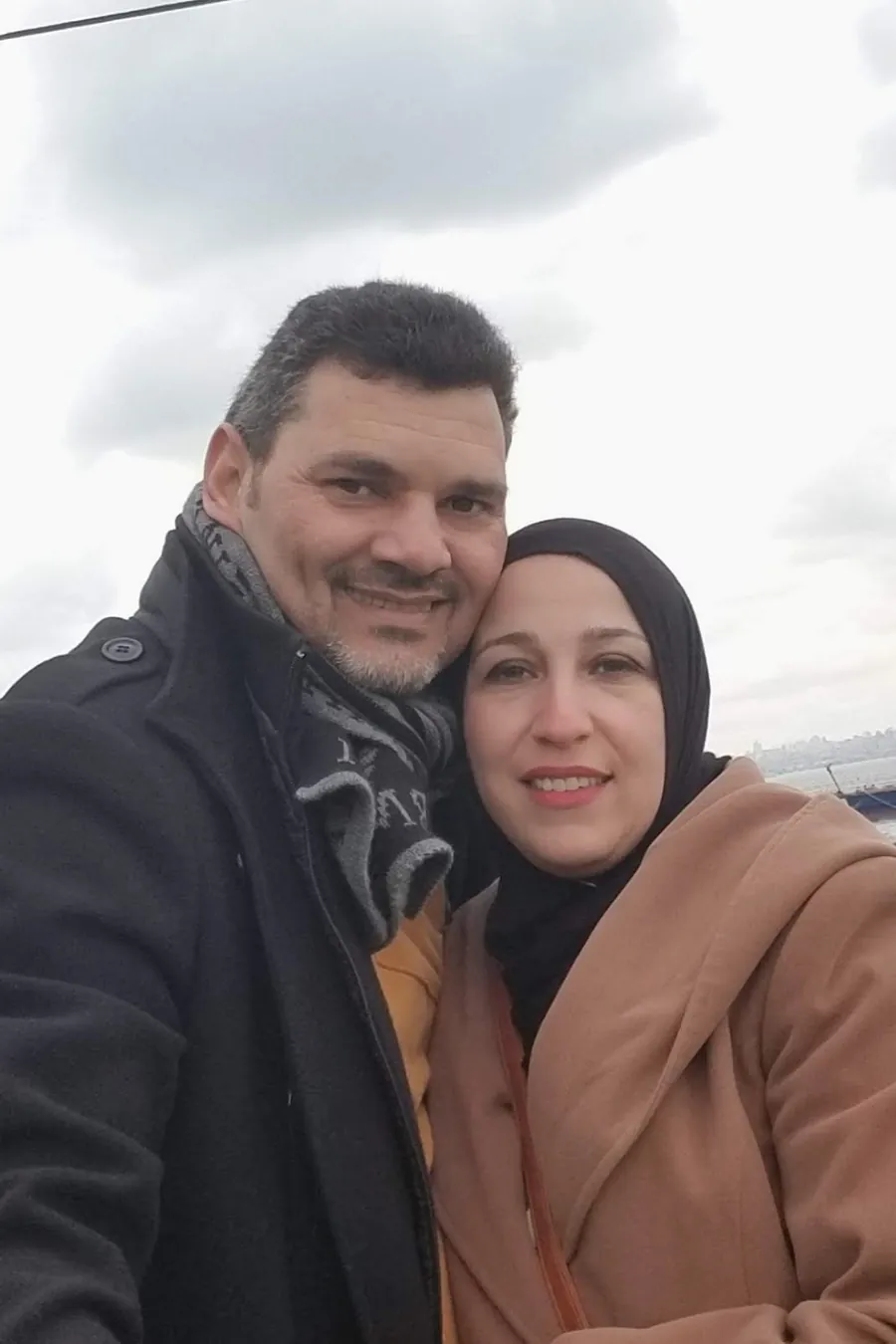
About the author. Yasser started A-1 Hood Cleaning in 2011. A-1 is family owned and operated, based in Denver, and cleans commercial kitchen exhaust systems across Colorado to NFPA 96 standards. Read our story